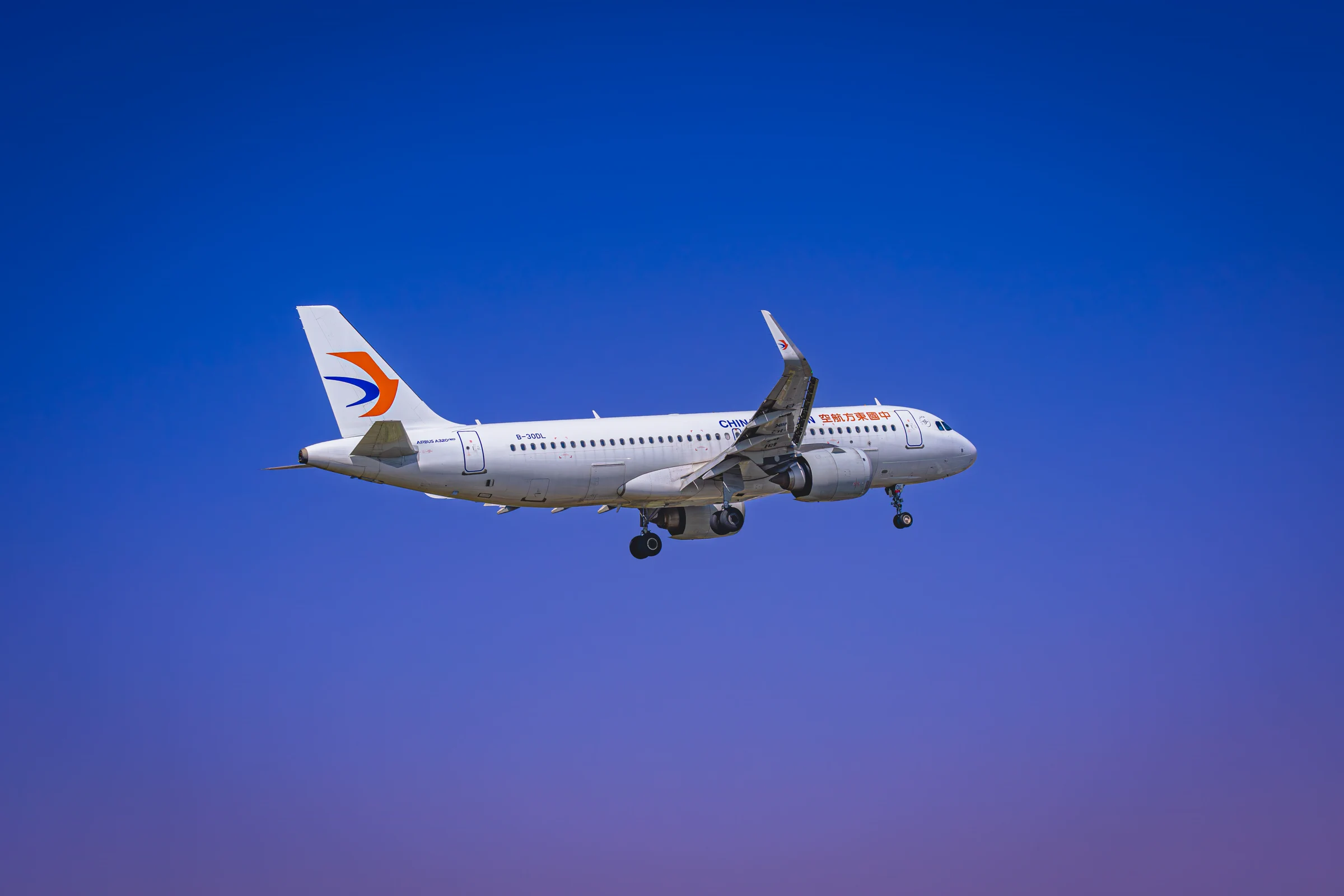
On 20 July 2026, China Eastern Airlines officially launched a direct service between Shanghai Pudong and Dublin. This is the first scheduled non-stop passenger route between Shanghai and Ireland. Operating every Monday, Wednesday and Friday with an Airbus A350-900 wide-body aircraft, the flight takes approximately 13 hours each way. Through the Shanghai Pudong hub, passengers can also connect to other cities across China and destinations throughout Asia.
Ireland Becomes More Accessible to Chinese Travellers
Previously, travelling from China to Ireland usually involved a connection in Europe or the Middle East. For first-time visitors, families, older travellers and tour groups, transfers created additional uncertainty around baggage connections, flight delays and communication.
The direct route reduces these travel barriers and makes it easier to include Ireland in European itineraries for Chinese visitors. For travellers from Shanghai and the wider Yangtze River Delta region in particular, Ireland is no longer simply a distant destination requiring multiple connections. It can now be considered either as a standalone destination for an in-depth journey or as an important gateway for combined Britain and Ireland itineraries.
Business, MICE and Educational Exchanges Become More Practical
The benefits of direct air connectivity extend beyond leisure travel. For corporate delegations, trade associations, university visiting groups, teacher-training programmes, student projects and cultural exchange groups, a more direct journey reduces overall travel time and makes short visits and themed programmes easier to organise.
From a local operations perspective, the new service is also expected to create greater demand for airport transfers, hotel accommodation, meeting venues, Chinese–English bilingual coordination, institutional visits and intercity transport. Local service providers need to design programmes around each group’s size, purpose and professional background, rather than simply adapting conventional sightseeing itineraries for business or educational visits.
The Route Also Supports Trade and Industry Cooperation
The launch of the passenger service has also opened a belly-cargo connection between Shanghai and Dublin. According to China Eastern Airlines, outbound cargo from Shanghai is expected to consist mainly of e-commerce products, while return cargo from Dublin will focus on pharmaceuticals, fresh products and other high-value goods requiring temperature-controlled transportation. This aligns with Ireland’s strengths in life sciences, pharmaceuticals, food production and advanced technology.
The Irish Government and tourism promotion bodies also view the route as a new opportunity to expand engagement with the Chinese market and to strengthen tourism, trade, investment, education and cultural links through improved air connectivity.
From a New Route to Long-Term Cooperation
The direct service provides a more convenient transport link, but the route itself will not automatically create stable market demand. Encouraging more Chinese travellers and institutions to choose Ireland will also require clear Chinese-language information, products designed around the expectations of the Chinese market, reliable local transport and reception services, and professional teams that understand the cultural and communication practices of both sides.
When air connectivity is supported by destination services, institutional cooperation and market promotion, the Shanghai–Dublin route can develop from a new travel option into a long-term channel connecting tourism, business and people-to-people exchanges between China and Ireland.